
Visiting a gun range for the first time can be an exciting yet overwhelming experience. Whether you’re looking to familiarize yourself with firearms, improve your skills, or simply try out a new hobby, proper preparation and understanding of basic protocols make all the difference. Below is an essential guide to help first-time shooters navigate their first visit with confidence.
Preparing for Your First Visit
- Research Local Gun Ranges: Identify nearby ranges and read reviews to find one that suits your needs. Some ranges cater specifically to beginners and offer introductory classes.
- Understand Local Laws: Depending on your location, certain firearms may be prohibited or require permits. Verify compliance with federal, state, and local regulations.
- Call Ahead: Many ranges have specific rules regarding reservations, rentals, or safety certifications. Calling ahead allows you to clarify any questions directly.
What to Bring
- Government-Issued ID: Most ranges require visitors to provide valid identification.
- Hearing Protection: Gunfire is loud and can damage hearing if exposed over time. Earplugs or earmuffs are essential.
- Eye Protection: Safety glasses protect against debris or ejected casings that may cause injury.
- Ammunition (If Allowed): Some ranges permit outside ammunition; others require you to purchase from their facility.
- Proper Attire: Avoid open-toe shoes and wear comfortable clothing that provides adequate coverage.
| Item | Required/Optional | Notes |
| Government-Issued ID | Required | Needed for age verification and registration |
| Hearing Protection | Required | Earplugs or electronic earmuffs are recommended |
| Eye Protection | Required | Safety glasses must meet ANSI Z87+ standards |
| Ammunition | Optional | Check if the range allows external ammunition |
| Proper Attire | Required | Closed-toe shoes and fitted clothing recommended |
Learning Range Rules
- Treat every firearm as though it is loaded.
- Always point the muzzle in a safe direction—never at people or unintended targets.
- Keep your finger off the trigger until you’re ready to fire.
- Know your target and what’s beyond it.
Additionally, each range will have its own set of rules which may include: – Restrictions on rapid firing – Designated shooting lanes – Prohibited calibers or firearms
Seeking Guidance from Staff
- Selecting firearms suited for their skill level (e.g., .22 caliber pistols)
- Explaining how each firearm functions
- Demonstrating proper stance and grip techniques
- Answering questions about range etiquette
Don’t hesitate to ask questions—it’s better to be informed than uncertain.
Practicing Good Etiquette
- Be mindful of other shooters’ space.
- Follow all posted signs; they exist for everyone’s protection.
- Avoid distracting others while they’re shooting.
By preparing properly, adhering to safety practices, and seeking guidance when needed, first-time shooters can enjoy an educational and stress-free experience at the gun range. Visiting a gun range isn’t just about pulling triggers—it’s about cultivating safe habits that build confidence over time.
A Comprehensive Guide to Safe Shooting: Tips from a Gun Dealer Michigan Experts Trust
Whether you’re a first-time visitor or a seasoned shooter, understanding range rules and etiquette is essential to ensure safety and foster a respectful environment for everyone. Here’s a detailed guide to help you navigate the expectations of visiting a gun range.
Importance of Safety Rules at the Range
- Always treat every firearm as if it’s loaded. This mindset minimizes the risk of accidental discharges.
- Keep your finger off the trigger until ready to shoot. This prevents unintended firing.
- Never point your firearm at anything you don’t intend to shoot. Always maintain proper muzzle discipline.
- Be aware of your target and its surroundings. Ensure there’s nothing behind or near your target that could result in collateral damage.
Common Range Rules
- Follow Range Officer Instructions: Always listen to and respect the directions given by range officers (ROs). They are there to ensure safety and manage any potential risks.
- Use Approved Ammunition Only: Some ranges may restrict certain types of ammunition (e.g., steel-core rounds or tracers). Verify this in advance.
- Keep Firearms Unloaded When Not on the Firing Line: Only load firearms when you are on the designated shooting area.
- Cease Fire When Instructed: If a “ceasefire” is called, stop shooting immediately, put down your firearm with the chamber open, and step back from your station.
- Clean Up After Yourself: Collect spent casings (if allowed) and tidy up your shooting area before leaving.
Proper Etiquette at Gun Ranges
- Respect Personal Space: Avoid crowding other shooters’ lanes or interrupting their focus unless necessary.
- Keep Noise Levels Appropriate: Refrain from excessively loud conversations or actions that might distract others.
- Avoid Handling Firearms During Ceasefires: Wait until you’re explicitly directed otherwise by an RO before touching any firearms during a ceasefire period.
- Share Equipment Responsibly (if applicable): If you’re using shared equipment, handle it with care so others can enjoy it as well.
Checklist: What to Prepare Before Visiting
| Item | Purpose |
| Valid ID | Needed for registration purposes |
| Eye & Ear Protection | For personal safety while shooting |
| Approved Ammunition | Ensures compliance with range regulations |
| Proper Attire | Closed-toe shoes and no loose clothing |
Additional Tips for Success
- Familiarize yourself with local laws regarding firearms transportation and ownership before heading out.
- Arrive early to complete any required paperwork or orientation sessions without feeling rushed.
- Review educational materials provided by the range in advance—many locations have handouts or online resources explaining their specific policies.
By following these guidelines, you’ll not only enhance your own safety but also contribute to creating a positive environment for everyone on-site.
Discover Top Shooting Disciplines at Your Go-To Gun Store Michigan
For those new to shooting or looking to refine their skills, understanding the various shooting disciplines can open doors to new challenges and opportunities for growth. Each discipline emphasizes unique skills, equipment, and techniques, catering to a wide range of interests and abilities. Below is an in-depth exploration of the primary shooting disciplines.
Handgun Shooting
Handgun shooting is one of the most popular shooting disciplines due to its accessibility and practicality. Whether for self-defense, sport, or competition, mastering handgun techniques requires focus on precision and control.
Key aspects of handgun shooting: – Types of handguns: Semi-automatic pistols and revolvers. – Common calibers: .22 LR for beginners or training, 9mm for general use, .45 ACP for enthusiasts. – Skill focus: Proper grip, trigger control, sight alignment, and stance.
Popular handgun competitions include: 1. International Defensive Pistol Association (IDPA) – Simulates real-life defensive scenarios. 2. United States Practical Shooting Association (USPSA) – Fast-paced action with an emphasis on accuracy under time constraints. 3. Bullseye Shooting – A precision-based discipline where shooters aim at static targets from set distances.
Rifle Shooting
Rifle shooting introduces longer ranges and the need for precise marksmanship over greater distances. Rifles are versatile tools used in hunting, target shooting, and tactical applications.
Important considerations in rifle disciplines: – Rifle types: Bolt-action rifles for precision; semi-automatic rifles for speed; lever-action rifles often associated with traditional sporting purposes. – Shooting positions: Prone (lying down), kneeling, sitting, or standing. – Range distances: Typically between 50 yards to over 1,000 yards depending on skill level.
Popular rifle competitions include: – Benchrest Shooting – A highly precise sport focusing on accuracy from a fixed position. – High Power Rifle Matches – Tests a shooter’s ability across varying positions at multiple distances. – Precision Rifle Series (PRS) – Combines long-range precision with dynamic stages simulating real-world scenarios.
Shotgun Sports
Shotgun disciplines are often fast-paced and require quick reflexes. They involve firing at moving targets such as clay pigeons or flying game birds.
Key shotgun sports include: 1. Trap Shooting – Involves clay targets launched away from the shooter in varying patterns. 2. Skeet Shooting – Features clay targets crossing paths in front of the shooter from two directions (high house/low house). 3. Sporting Clays – Simulates hunting scenarios with diverse target angles and speeds.
Essential shotgun types: – Over/under shotguns – Ideal for skeet or trap due to their reliability. – Pump-action shotguns – Popular among beginners because of their affordability. – Semi-auto shotguns – Preferred by seasoned shooters seeking rapid follow-up shots.
Practical Tips When Exploring Multiple Disciplines
To fully enjoy these varied pursuits: 1. Start with beginner-friendly calibers like .22 LR before progressing to larger platforms. 2. Invest in quality eye and ear protection across all disciplines. 3. Consider taking lessons tailored to each type of firearm or discipline—specialized instructors can guide you through fundamentals while improving safety awareness.
| Discipline | Focus Area | Common Firearm Types |
| Handgun | Precision & self-defense | Semi-auto pistols/revolvers |
| Rifle | Long-range accuracy | Bolt-action/semi-auto rifles |
| Shotgun | Moving target engagement | Over/under/pump/semi-auto shotguns |
By exploring different firearm types alongside their respective challenges, shooters can develop diverse skills while finding the practice that suits their preferences best.
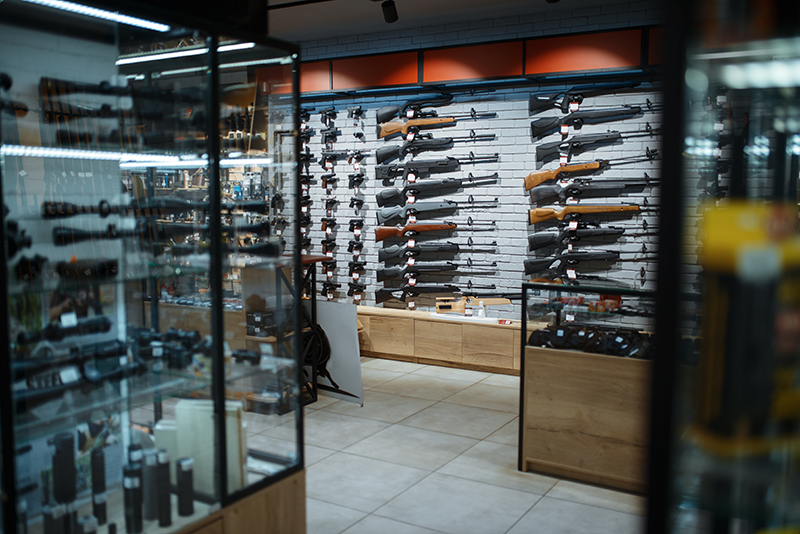
Essential Gear and Tips When You Buy Guns Michigan for the Ultimate Gun Range Experience
Preparing for a trip to the gun range requires more than just carrying a firearm. The right gear and equipment not only ensure safety but also enhance your overall experience. Below is a detailed guide on the essentials you’ll need, whether you’re a first-time visitor or a seasoned shooter.
Firearm(s) and Ammunition
- Firearms: Choose the appropriate firearm for your skill level and purpose. Handguns, rifles, and shotguns are common options.
- Ammunition: Verify the ammunition type required for your specific firearm. Always bring sufficient rounds while adhering to range rules regarding caliber restrictions.
Eye and Ear Protection
Safety is paramount at any gun range, making eye and ear protection non-negotiable. – Eye Protection: – ANSI-certified shooting glasses are designed to protect against ricochets or debris. – Polarized lenses can reduce glare in outdoor ranges. – Ear Protection: – Foam earplugs provide basic noise reduction (NRR ratings of 25-30). – Over-ear muffs with electronic sound-cancelling features offer enhanced communication while safeguarding your hearing.
| Type | Features | Suggested Use |
| Foam Earplugs | Lightweight, disposable | Occasional shooters |
| Passive Over-Ear Muffs | Affordable, durable | Indoor/outdoor shooting |
| Electronic Over-Ear Muffs | Amplifies voices, cancels loud noise | Frequent shooters or professionals |
Targets
Ranges may offer targets for purchase, but bringing your own can be more cost-effective. – Paper Targets: Ideal for general practice; available in various designs (bullseye, silhouette). – Steel Targets: Reusable with immediate feedback on accuracy (most suitable for outdoor ranges). – Ensure compliance with range regulations when selecting target types.
Safety Gear and Accessories
Additional gear contributes to both safety and functionality. – Range Bag: A sturdy bag with compartments to organize firearms, ammunition, cleaning kits, and other accessories. – First-Aid Kit: Include basic supplies such as bandages, antiseptic wipes, and gloves specifically tailored for range-related injuries. – Hand Sanitizer/Wipes: For cleaning hands after handling firearms or lead-contaminated surfaces.
Clothing Considerations
Proper attire enhances comfort and minimizes risks during shooting sessions: 1. Closed-toe shoes are essential for protection. 2. High-necked shirts prevent hot brass from causing burns. 3. Weather-specific clothing such as hats or lightweight jackets ensures comfort when outdoors.
Optional but Beneficial Gear
For shooters looking to take it up a notch: – Shooting Gloves: Minimize recoil impact while improving grip stability. – Magazine Loader: Speeds up loading magazines during extended sessions. – Optics (Scopes/Sights): Greatly aids in precision shooting at longer distances.
Checklist for Your Range Visit
Below is a simple checklist you can use before heading out: 1. Firearm(s) appropriate for the chosen discipline 2. Sufficient ammunition that adheres to range guidelines 3. Approved eye and ear protection 4. Suitable targets compatible with the range’s policies 5. Proper clothing to ensure comfort and safety 6. Necessary supplies like first-aid kit, sanitizer, gloves
By having the right gear ready before visiting the gun range, you’ll not only enhance your skills but ensure an enjoyable outing that prioritizes safety above everything else.
Advanced Tips for Improving Your Skills: Practice, Drills, and Professional Training
Improving your shooting skills requires dedication, consistent practice, and a focus on proper techniques. Whether you’re an experienced shooter or looking to advance your abilities, integrating targeted drills and seeking professional training can make a significant difference in your performance. Below are some advanced tips and recommendations to enhance your shooting proficiency.
Develop Consistent Practice Habits
- Frequency: Commit to shooting regularly, such as once or twice a week.
- Duration: Focus on quality over quantity; shorter, focused sessions are more effective than long periods of unstructured practice.
- Tracking Progress: Keep a shooting log to track accuracy, reaction times, and any areas needing improvement.
Incorporate Skill-Specific Drills
- Draw & Fire Drill: Improve speed and accuracy by practicing drawing from your holster and firing within a specific time.
- Transition Drill: For those using multiple targets, focus on transitioning smoothly between them while maintaining accuracy.
- One-Handed Shooting Drill: Build confidence in situations requiring single-handed operation of your firearm.
- Failure-to-Stop Drill: Practice engaging two shots in the center mass followed by one precise shot to the head.
| Drill Name | Focus Area | Suggested Equipment |
| Draw & Fire | Speed & Accuracy | Holster, Timer |
| Transition Drill | Target Switching | Multiple Targets |
| One-Handed Shooting | Control & Confidence | Standard Target |
| Failure-to-Stop | Precision under Pressure | Paper Silhouette Target |
Mastering Recoil Management
- Grip the firearm firmly but not overly tight—keep pressure consistent with both hands.
- Use proper body mechanics: lean forward slightly with knees bent for stability.
- Follow through on every shot by focusing on reacquiring your sights after recoil.
Seek Professional Training
- Private Lessons: Work one-on-one with certified instructors who can tailor lessons to your goals.
- Specialized Courses: Look into courses focused on advanced techniques like defensive shooting or competitive training.
- Shooting Clinics & Workshops: These often bring together experts to teach specialized skills in group settings.
Engage in Scenario-Based Training
- Simulated drills like force-on-force exercises using non-lethal training ammunition.
- Low-light shooting practices to prepare for nighttime situations.
Join Competitions for Practical Experience
Participating in local competitions such as IDPA (International Defensive Pistol Association) matches or USPSA (United States Practical Shooting Association) events can sharpen skills under time constraints and add an element of excitement to your training regimen.
Regularly stepping out of comfort zones through these methods will help push limits while reinforcing fundamentals—a critical combination when aiming for consistent improvement in firearm handling and marksmanship skills.

Making the Most of Range Amenities: Pro Shops, Memberships, and More
Gun ranges are more than just facilities to practice shooting; they often come with a range of amenities that can enhance your overall experience. Whether you’re a seasoned shooter or a beginner, understanding how to take full advantage of these offerings can make your visits more enjoyable, efficient, and rewarding.
Pro Shops: A One-Stop Resource for Firearm Needs
- Firearms: A wide selection of handguns, rifles, and shotguns for purchase or rental.
- Ammunition: Various calibers and types of ammunition suited for different firearms.
- Accessories: Items like hearing protection, eye protection, holsters, cleaning kits, and other essentials.
- Expert Guidance: Staff who can assist with product recommendations or answer technical questions.
Visiting the pro shop before or after your range session can save you time by ensuring you have all the gear you need in one place.
Membership Options: Unlock Exclusive Benefits
| Feature | Membership Perk |
| Unlimited Range Access | Shoot as much as you’d like without paying per visit |
| Discounts on Rentals | Reduced rates on firearm rentals |
| Ammo and Gear Discounts | Cost savings on in-store purchases |
| Priority Lane Reservation | Skip wait times during busy periods |
| Exclusive Events | Invitations to members-only classes or competitions |
If you plan to visit the range frequently, investing in a membership could significantly reduce your overall costs while offering additional conveniences.
Training Classes and Professional Instruction
- Firearm safety fundamentals
- Marksmanship improvement
- Concealed carry certification
- Advanced tactical training
Some ranges may even provide group classes or private lessons tailored specifically to individual goals.
Social Spaces: Build Community Connections
- Competitions: Skill-based challenges such as target shooting tournaments
- Social Nights: Casual gatherings for members and guests
- Educational Seminars: Talks on firearm safety laws or product demonstrations
By participating in these activities, you’ll not only improve your skills but also build friendships within the shooting community.
Maintenance Services: Keep Your Gear in Top Condition
- Cleaning and lubrication services for well-maintained functionality
- Repairs for malfunctions or wear-and-tear issues
- Customization options like trigger enhancements or sight installations
Using these professional services ensures your equipment is always range-ready without compromising safety.
Making the most of a gun range’s amenities begins with understanding what they offer beyond just firing lanes. From pro shops stocked with essentials to social opportunities that help connect enthusiasts, these features cater to both practical needs and personal interests—ultimately enriching your overall experience at the range.
Discover the Community Side of a Gun Shop Michigan: Social Events, Competitions, and Connections
Gun ranges are more than just places to practice shooting skills—they also serve as vibrant hubs for community engagement and social interaction. Many firearm enthusiasts are drawn to the communal nature of these spaces, where they can connect with like-minded individuals, participate in friendly competitions, and attend engaging events. Below is an in-depth look at how gun ranges foster a sense of belonging while offering opportunities for both personal and social growth.
Social Events at Gun Ranges
- Ladies’ Nights: Some ranges dedicate specific evenings to female shooters, offering discounted rates or free instruction in a welcoming environment.
- Firearm Safety Classes: These sessions not only educate participants but also create opportunities for networking among attendees with shared interests.
- Holiday-Themed Shoots: Seasonal events such as Halloween-themed shoots or Independence Day celebrations add a festive element to range activities.
- Charity Events: Ranges often organize fundraisers or charity tournaments for local causes, fostering goodwill within the broader community.
These events provide opportunities for participants to bond over shared interests while enjoying a sense of camaraderie.
Competitions: A Healthy Dose of Fun and Challenge
| Competition Type | Description |
| IDPA Matches | International Defensive Pistol Association matches simulate real-world scenarios. |
| Steel Plate Challenges | Speed-focused competitions that emphasize accuracy under pressure. |
| 3-Gun Competitions | Multi-discipline contests involving rifles, shotguns, and pistols. |
| Trap & Skeet Shooting | Clay target sports designed for shotgun enthusiasts seeking precision shooting. |
Participating in these challenges not only helps improve marksmanship but also fosters connections between competitors who share an appreciation for the sport.
Building Connections Within the Range Community
- Join Membership Programs: Many shooting facilities offer memberships that come with exclusive perks such as discounts on gear or access to special events—perfect opportunities for networking with other members.
- Volunteer Opportunities: Consider volunteering at your local range during special events or charity drives; it’s an excellent way to meet people while supporting your community.
- Engage in Group Training Sessions: Group classes allow individuals with varying skill levels to learn together in an interactive setting.
By actively participating in what your local gun range offers beyond just shooting lanes, you’ll deepen your involvement within this thriving community.
The Role of Pro Shops and Lounges in Fostering Community
Many modern-day gun ranges feature additional amenities like pro shops and lounges that further support their role as social hubs:
– Pro shops provide firearms enthusiasts with access to knowledgeable staff who can assist them in finding new gear or discussing technical aspects. – Lounge areas encourage relaxation between rounds and serve as informal spaces where friendships naturally form over shared interests.
These facilities enhance the overall experience by creating spaces conducive not only to skill development but also meaningful interaction.
Whether attending an event, joining a friendly competition, or simply connecting over coffee after practice sessions, local gun ranges offer countless ways to enjoy participating within their communities effectively—making them much more than mere training grounds for firearms enthusiasts.
- Finding a Gunsmith Near Me – A Comprehensive Guide for New Shooters
- How to Choose Your First Rifle with Confidence: A Comprehensive Beginner’s Guide from a Gun Dealer Michigan
- Beginner’s Guide to Concealed Carry | Tips from a Gun Dealer Michigan
- Finding a Gunsmith Near Me: Essential Tips for First-Time Shooters
- Exploring the Best Options: Your Guide to Choosing a Gun Dealer Michigan
- Essential Safety Rules Every Gun Shop Michigan Enthusiast Should Know
- Finding the Best Gunsmith Near Me: Top 5 Handguns for Home Defense in 2025