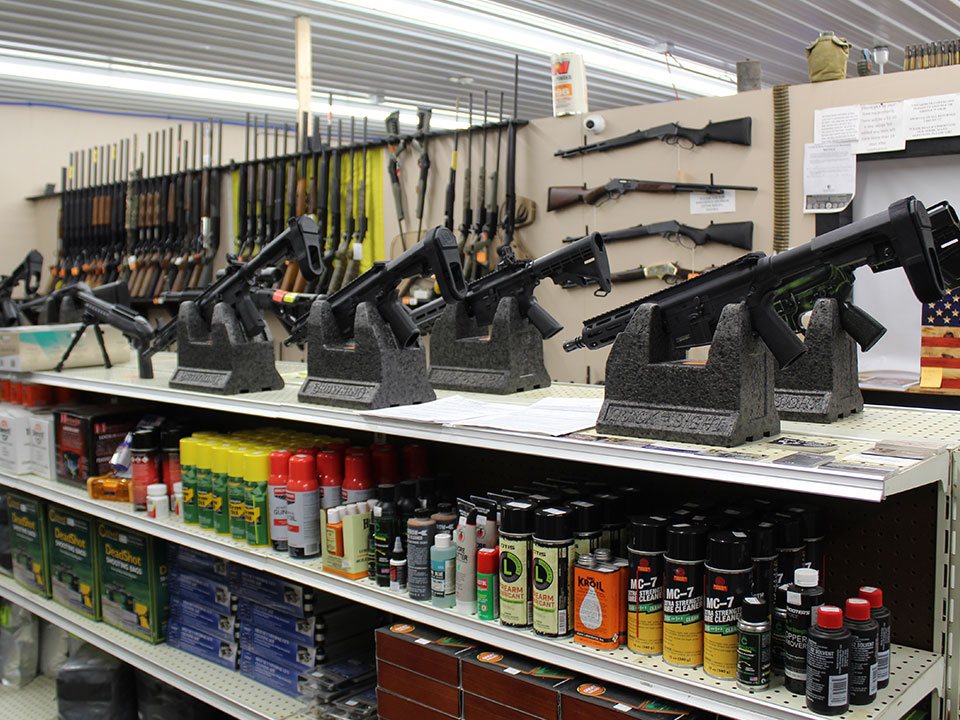
Embarking on your concealed carry journey is a significant step in personal safety and responsible firearm ownership. To ensure a seamless and safe start, there are several factors that need careful consideration. From understanding local laws to adopting best practices, this guide will walk you through the essentials.
Understand Your Local Laws
- Permit Requirements: Does your jurisdiction require a concealed carry permit?
- Reciprocity: If you travel between states, does your permit remain valid?
- Restricted Areas: What locations prohibit carrying firearms (e.g., schools, federal buildings)?
- Duty to Inform Laws: Are you required to notify law enforcement during an interaction?
A thorough understanding of these laws helps you stay compliant while exercising your rights responsibly.
Choose the Right Training
- Handling and storing firearms properly
- Understanding the four universal gun safety rules
- Grip, stance, sight alignment, and trigger control techniques
- Practicing consistent accuracy under controlled environments
- How to react under stress or life-threatening situations
- Drawing from concealment and engaging a target safely
Investing in quality training not only builds confidence but also ensures preparedness should the need arise.
Select an Appropriate Firearm
- Size & Weight: A compact or subcompact handgun is easier for concealed carry without sacrificing performance.
- Caliber Compatibility: Beginners often favor 9mm firearms for their manageable recoil and availability of ammunition.
- Ease of Operation: Prioritize models with simple controls like intuitive safeties or slide releases.
A visit to a reputable gun shop where you can handle different options or test-fire at a range is highly recommended.
| Feature | Why It Matters |
| Compact Size | Easier concealment |
| Lightweight Design | Reduces discomfort over long periods of wear |
| Reliable Manufacturer | Ensures long-term durability |
Gear Up with Proper Accessories
- A well-fitting holster made from quality materials (leather or Kydex)
- A sturdy belt designed specifically for carrying firearms
- Magazine pouches for additional ammunition if legally allowed
These items ensure comfort and security throughout your day while reducing printing—the visible outline of your firearm through clothing.
Develop Good Habits Over Time
- Commit to ongoing education about changing laws or updated techniques.
- Regularly assess whether your chosen setup still aligns with your daily routine.
- Stay mindful of situational awareness when carrying—this includes being vigilant about surroundings without becoming overly paranoid.
By incorporating these points into your routine, you set yourself up for success while maintaining responsible gun ownership practices.
Finding the Best Gun Shop Michigan Offers for Holsters and Belts for Concealed Carry Comfort
Selecting the right holster and belt is a critical step in ensuring both comfort and security while carrying a concealed firearm. The combination of a well-designed holster and a sturdy belt enhances your ability to carry discreetly, ensures quick access when needed, and minimizes discomfort during daily activities. Below is a comprehensive guide to help you make informed decisions.
Tips for Finding the Right Holster at a Gun Store Michigan
- Leather: Durable and molds over time for better comfort but may require maintenance.
- Kydex: Lightweight, rigid, and retains shape even after extended use.
- Nylon: Affordable but less sturdy compared to leather or Kydex.
- Passive Retention: Relies on friction to keep the firearm secure.
- Active Retention: Includes additional mechanisms like thumb breaks or locking systems for enhanced security.
- Padding or smooth edges reduce irritation during extended wear.
- Adjustable cant (angle) allows you to customize the position of the firearm for optimal access.
- Look for holsters specifically designed to minimize printing (visible outline of the firearm).
- Opt for inside-the-waistband (IWB) designs for maximum concealability.
Guide to Holsters When You Buy Guns in Michigan
| Type | Pros | Cons |
| Inside-the-Waistband (IWB) | Excellent concealment; secure fit | Can be less comfortable in tight clothing |
| Outside-the-Waistband (OWB) | Comfortable; easy access | Less concealable under light clothing |
| Appendix Carry | Easy draw; great concealment | May cause discomfort when sitting |
| Shoulder Holsters | Good weight distribution | Requires additional layers of clothing |
| Pocket Holsters | Compact; ideal for smaller firearms | Limited to small handguns |
Importance of a Quality Gun Belt
- Look for reinforced leather or nylon belts specifically made for gun carriers.
- A proper fit ensures the belt stays snug without excessive tightness.
- Gun belts are built with materials that resist wear from daily carrying.
- A solid gun belt helps distribute weight evenly, reducing strain on your hips or lower back.
Pairing Your Holster and Belt
To maximize comfort and effectiveness, pair your holster with an appropriate gun belt: – An IWB holster works well with rigid leather belts that prevent sagging. – OWB setups often benefit from thicker nylon belts equipped with adjustable buckles.
Tips for Testing Comfort
- Trial Runs: Wear your chosen setup around your home before committing to it in public settings.
- Daily Activities: Test your ability to sit, stand, bend, or drive comfortably while wearing it.
- Clothing Compatibility: Ensure it works seamlessly with your typical wardrobe choices.
By investing time into selecting both the right holster and belt, you’ll set yourself up for safer, more comfortable concealed carry experiences tailored to your needs.
Picking the Right Holster and Belt for Optimal Concealed Carry Comfort
Selecting the right holster and belt is critical for ensuring comfort, safety, and accessibility when carrying concealed. A poorly chosen setup can lead to discomfort, printing (visible outline of your firearm), or even difficulty in drawing your weapon in a time of need. Below, we’ll cover the essential factors to consider when choosing a holster and belt to optimize your concealed carry experience.
Key Features to Look for in a Holster
- Retention: The holster should securely hold your firearm while still allowing for a smooth draw. Options typically include passive retention (friction) or active retention mechanisms (thumb breaks or button locks).
- Trigger Guard Protection: A good holster must completely cover the trigger guard to prevent accidental discharges.
- Material: Holsters are commonly made from materials such as Kydex, leather, or nylon.
- Kydex: Rigid, durable, and offers excellent retention.
- Leather: Comfortable and molds well over time but may require more maintenance.
- Nylon: Lightweight but generally lacks the structure of Kydex or leather.
- Carry Position Compatibility: Ensure the holster fits your preferred carry position (appendix, strong side hip, small of back, etc.).
- Concealment Design: Opt for a design that minimizes printing while maintaining an ergonomic fit against your body.
Choosing the Right Concealed Carry Belt
- Rigidity: A concealed carry belt should be sturdy enough to prevent sagging under the weight of your firearm and other gear while maintaining comfort.
- Material: High-quality leather or reinforced nylon are common choices due to their durability.
- Adjustability: Look for belts with micro-adjustments or multiple sizing holes for a precise fit.
- Buckle Type: Choose a buckle design that is both secure and easy to use without adding bulk.
| Feature | Nylon Belts | Leather Belts |
| Durability | Resistant to wear and moisture | Long-lasting with proper care |
| Rigidity | Often reinforced with polymers | Naturally rigid material |
| Comfort | Lightweight | Contours over time |
| Style | Tactical appearance | Can double as casual/formal |
Tips for Achieving Optimal Comfort
- Test different materials and designs before committing—what works for one person may not work for another.
- Pair your holster with clothing that provides adequate coverage without being excessively tight.
- Experiment with different carry positions until you find one that aligns best with your daily activities.
- Invest in both quality holsters and belts; cutting corners can lead to discomfort or impede accessibility.
Recommendations Based on Use Cases
- Daily Use: A hybrid IWB (Inside Waistband) Kydex/leather combo with a reinforced leather gun belt is often ideal due to its balance of concealment and comfort.
- Active Lifestyle: Nylon tactical belts paired with lightweight Kydex OWB (Outside Waistband) holsters work well if you’re constantly on-the-go or physically active.
- Professional Attire: An ultra-thin IWB leather holster paired with a premium dress-style gun belt ensures concealment without sacrificing style.
By carefully selecting both your holster and belt based on these considerations, you’ll achieve not only optimal comfort but also enhanced safety when carrying concealed daily.
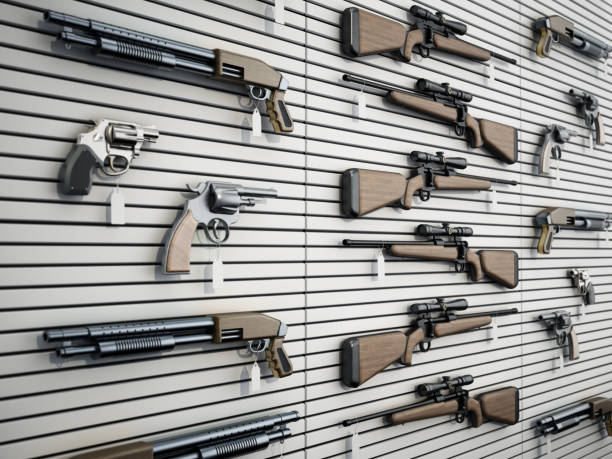
Finding the Best Concealed Carry Positions with a Gunsmith Near Me
When it comes to concealed carry, understanding and selecting the right carry position is crucial for both comfort and accessibility. The position you choose will depend on your body type, daily activities, clothing preferences, and personal comfort. Below is a detailed breakdown of popular concealed carry positions, along with their pros and cons to help you find the best fit for your lifestyle.
1. Appendix Carry (AIWB – Appendix Inside Waistband)
This position places the firearm at the front of your body, typically around the 1 o’clock position for right-handed shooters or 11 o’clock for left-handed individuals.
Advantages:
– Accessibility: Easy to draw quickly from a seated or standing position. – Concealment: Well-concealed under fitted clothing due to its central location. – Control: Offers excellent retention as the firearm stays within your immediate control.
Disadvantages:
– May feel uncomfortable when sitting for long periods. – Requires proper holster selection for safety due to proximity to vital areas.
2. Strong-Side Hip Carry (3–5 O’Clock Position)
One of the most common positions, strong-side hip carry involves placing the firearm on your dominant side near the waistband.
Advantages:
– Natural Draw Motion: Feels intuitive and easier to train with. – Variety of Holsters: A wide range of holsters are designed specifically for this position. – Good Retention Options: Can work well with additional retention features like thumb breaks or trigger locks.
Disadvantages:
– Can print (outline under clothing) if you’re not wearing loose or layered garments. – Less accessible in seated positions, such as driving a vehicle.
3. Small of Back (SOB) Carry
This position places the firearm in the center of your lower back, typically at the 6 o’clock position.
Advantages:
– Offers excellent concealment under most clothing styles. – Keeps firearm out of sight even when bending over.
Disadvantages:
– Difficult to access quickly in emergencies. – Potentially uncomfortable when leaning back or sitting against hard surfaces. – Increased risk of injury during falls due to its placement along the spine.
4. Crossdraw Carry
Crossdraw involves carrying your firearm on your non-dominant side while allowing you to draw across your body with your dominant hand.
Advantages:
– Comfortable for extended periods while seated (e.g., driving). – Easier access from certain seated positions compared to traditional hip carry styles.
Disadvantages:
– Slower draw speed compared to other positions due to the added motion required. – Increased potential for flagging yourself during unholstering unless proper technique is used.
5. Shoulder Holster Carry
Often used by professionals like law enforcement agents in plainclothes roles, shoulder holsters allow firearms to be carried under one arm while attached via straps over both shoulders.
| Pros & Cons Comparison Table – Shoulder Holster Carry | Feature | Advantage | Disadvantage | |———————–|———————————————-|—————————————————| | Comfort | Great choice if standing/walking frequently.| Bulky; may not suit casual wearers. | | Accessibility | Always reachable even whilst sitting back.| Draw motions quite noisy subtle tasks limited.|
Building Your Beginner EDC Setup | Essentials for Everyday Concealed Carry Success
When starting your concealed carry journey, assembling a complete Everyday Carry (EDC) setup is crucial. An effective EDC setup ensures you are prepared for daily life while prioritizing safety, functionality, and comfort. Here’s a guide to help you build your beginner EDC setup.
Key Components of a Beginner EDC Setup
- Choose a reliable and compact concealed carry handgun.
- Popular choices include Glock 43X, Smith & Wesson M&P Shield Plus, or Sig Sauer P365.
- Ensure the firearm fits comfortably in your hand and suits your skill level.
- Select a holster designed for concealed carry that offers retention and accessibility.
- Common materials include Kydex, leather, or hybrid designs (a mix of both).
- Ensure the holster is compatible with your chosen firearm and supports your preferred carry position (e.g., appendix or strong side).
- Invest in a sturdy gun belt designed to handle the weight of your firearm and holster securely without sagging or shifting.
- Materials like reinforced leather or nylon webbing are ideal options.
- Carry at least one spare magazine in case of malfunctions or the need for additional ammunition.
- A quality magazine pouch keeps extra rounds secure and readily accessible.
- Include a compact but powerful flashlight as part of your setup.
- A tactical flashlight can be used for self-defense and low-light situations.
- Knife or Multi-Tool (Optional)
- Many concealed carriers opt to include a folding knife or multi-tool for utility tasks.
- Ensure it adheres to local laws regarding blade length and usage regulations.
- Medical Gear (Recommended)
- A small tourniquet or first-aid kit can be lifesaving in emergencies.
- Consider carrying items like wallet cards with emergency contact information, personal identification, and legal documentation related to carrying firearms.
Balancing Comfort and Practicality
Your EDC setup should provide maximum comfort without compromising practicality: – Test different holsters until you find one that distributes weight evenly across your body. – Avoid overloading yourself; only carry what you consistently use and need daily. – Dress appropriately to facilitate concealment while maintaining freedom of movement; looser clothing may help reduce printing (visible outlines of the firearm).
| Component | Purpose | Suggested Options |
| Firearm | Self-defense | Glock 43X, S&W Shield Plus, Sig P365 |
| Holster | Safe concealment | Kydex IWB/OWB holsters |
| Gun Belt | Secures firearm/weight | Reinforced leather/nylon |
| Spare Magazine | Extra ammunition | Factory magazines + pouch |
| Flashlight | Low-light defense | Streamlight MicroStream |
Legal Considerations
Before finalizing your beginner EDC kit: – Research state-specific laws regarding concealed carry gear requirements. – Understand “restricted areas” where firearms are not allowed despite possession of permits.
By carefully balancing functionality, safety, comfort, and compliance with local regulations, you can create an effective beginner EDC setup tailored to meet everyday needs confidently while practicing responsible gun ownership practices responsibly at all times.
Situational Awareness and Mindset | Preparing Yourself Mentally for Responsible Gun Ownership
Developing situational awareness and the right mindset is a crucial component of responsible gun ownership. Owning and carrying a firearm requires more than physical tools; it demands mental preparation, awareness, and a commitment to safety. This guide explores key principles to cultivate the proper mindset and maintain vigilance in various scenarios.
Understanding Situational Awareness
Situational awareness is the ability to perceive your environment, understand what’s happening around you, and anticipate potential risks or threats. It’s an essential skill for responsible gun owners because it allows you to respond thoughtfully rather than react impulsively.
To improve situational awareness:
– Observe Your Environment: Regularly scan your surroundings when entering new spaces. Look for exits, crowd behavior, and potential hazards.
– Avoid Tunnel Vision: Remain mentally present without hyper-focusing on one thing that could blind you to other developments around you.
– Trust Your Instincts: If something feels off, trust your gut instinct and transition to a heightened level of alertness without panic.
– Practice the OODA Loop: Originating from military practices, this cycle—Observe, Orient, Decide, Act—can help guide decision-making in critical moments.
The Responsible Gun Owner’s Mindset
Carrying a firearm is not just about personal protection; it’s about responsibility toward yourself and others in your community. Cultivating the right mindset helps you make wise decisions under stress.
Key aspects of a responsible firearm owner’s mindset include:
1. Avoidance Over Engagement: The goal is always de-escalation or avoidance of dangerous situations whenever possible. 2. Commitment to Safety: Adhere strictly to the four fundamental rules of firearms safety: – Treat all firearms as if they are loaded. – Never point a firearm at anything you are not willing to destroy. – Keep your finger off the trigger until ready to shoot. – Be certain of your target and what’s beyond it. 3. Emotional Control: Develop the ability to manage fear, anger, or excitement while remaining calm during high-pressure scenarios. 4. Continual Learning: Stay informed by attending training classes regularly or engaging with resources created by certified instructors.
Mental Preparation for Unique Scenarios
While no two situations are identical, mentally preparing for common scenarios can improve decision-making under duress.
| Scenario Type | Preparation Techniques |
| Crowded Public Spaces | Practice observing entry/exit points; avoid standing with backs exposed in vulnerable spots |
| Low-Light Environments | Train with flashlights or low-light shooting techniques |
| Unexpected Confrontations | Engage in role-playing drills with experienced instructors |
Table Note: Training builds muscle memory but also fortifies mental readiness.
Building Confidence Through Training
Confidence stems from knowledge and practice. Seek out training opportunities that focus on real-world application rather than static range exercises alone.
- Enroll in situational-based defensive shooting courses.
- Use simulations or live-fire training designed for concealed carry users.
- Regularly review state-specific concealed carry laws so you’re legally informed.
Developing these skills alongside maintaining situational awareness equips gun owners not just with competence but also with peace of mind while carrying responsibly.
- Finding a Gunsmith Near Me – A Comprehensive Guide for New Shooters
- How to Choose Your First Rifle with Confidence: A Comprehensive Beginner’s Guide from a Gun Dealer Michigan
- Beginner’s Guide to Concealed Carry | Tips from a Gun Dealer Michigan
- Finding a Gunsmith Near Me: Essential Tips for First-Time Shooters
- Exploring the Best Options: Your Guide to Choosing a Gun Dealer Michigan
- Essential Safety Rules Every Gun Shop Michigan Enthusiast Should Know
- Finding the Best Gunsmith Near Me: Top 5 Handguns for Home Defense in 2025